
The Inner Circle Trader (ICT) offers a wealth of PDF resources that distill complex market concepts into accessible formats. These documents cover fundamentals‚ advanced strategies‚ and real‑time examples‚ enabling traders to study at their own pace while preserving essential insights. for steady growth.
1.1 Overview of the Inner Circle Trader Methodology
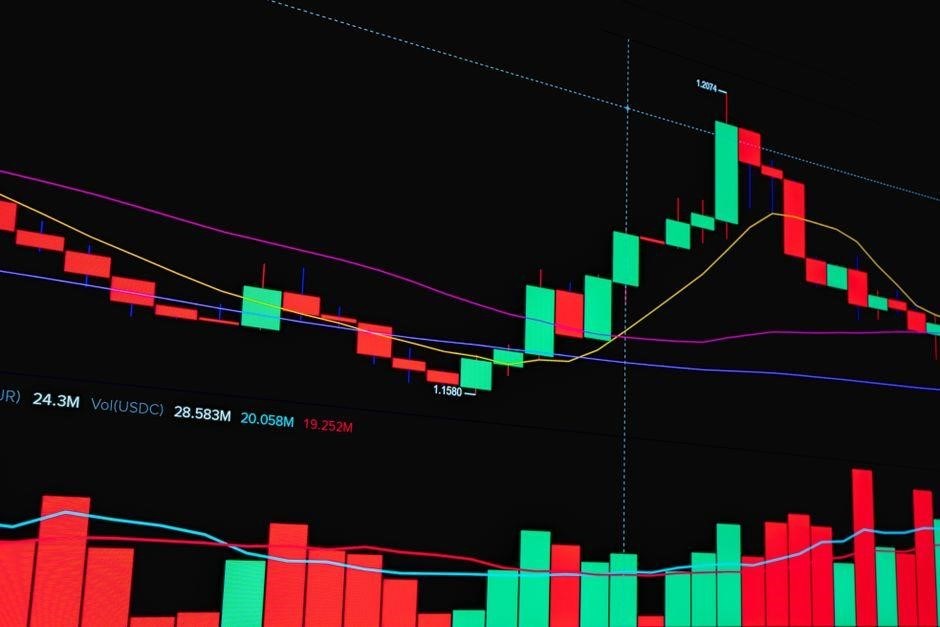
The Inner Circle Trader (ICT) framework‚ often disseminated through PDF manuals‚ blends technical analysis with market psychology. PDFs provide a structured‚ step‑by‑step guide that begins with foundational concepts such as market structure‚ trend identification‚ and order flow dynamics. Subsequent sections delve into advanced tools—fibonacci retracements‚ liquidity pools‚ and time‑price analysis—presented in clear‚ annotated charts. Each PDF includes real‑world case studies‚ allowing readers to see how theoretical patterns translate into actionable trade setups. The methodology emphasizes risk management‚ defining precise entry‚ stop‑loss‚ and target levels‚ and encourages a disciplined approach to trade execution. By consolidating these principles into downloadable documents‚ ICT offers traders a portable reference that can be reviewed offline‚ annotated‚ and updated as market conditions evolve. The PDF format also supports interactive elements such as hyperlinks to live charts and embedded video links‚ ensuring that users can transition seamlessly between static study material and dynamic market data. Overall‚ the ICT PDF methodology serves as a comprehensive toolkit for both novice and experienced traders seeking to align technical signals with market sentiment. These PDFs‚ often updated to reflect evolving market dynamics‚ incorporate community feedback‚ enabling traders to refine strategies‚ ensuring the methodology remains relevant and adaptable across diverse trading environments real-time analytics. supports real-time analytics.!

Understanding Filetype:PDF in Trading Resources
PDFs serve as compact‚ portable references that traders can download‚ annotate‚ and review offline. They encapsulate charts‚ scripts‚ and commentary‚ enabling reference to key concepts without internet access. Their fixed layout preserves formatting‚ ensuring consistency across devices.for all traders.!
2.1 Why PDFs Matter for Traders
In the fast‑moving world of forex and futures‚ traders need reliable‚ portable references that can be accessed without a constant internet connection. PDFs from the Inner Circle Trader (ICT) community provide precisely that. They consolidate complex market‑structure theories‚ order‑block identification techniques‚ and live‑trade examples into a single‚ searchable document. Because PDFs preserve formatting‚ charts remain crisp and annotations stay consistent across devices‚ eliminating the risk of misinterpretation that can arise from dynamic web pages. Traders can highlight key sections‚ add sticky notes‚ and even embed screenshots of live charts‚ turning a static file into an interactive study tool. Moreover‚ PDFs can be encrypted or password‑protected‚ ensuring that proprietary strategies remain confidential while still being shared within a closed membership. This security feature is especially valuable when dealing with high‑stakes concepts that could be diluted if widely distributed. The ability to print PDFs also allows traders to create physical study guides‚ which many find easier to review during commutes or in environments without digital access. Finally‚ PDFs serve as an archival record; a trader can reference past market conditions‚ compare them with current data‚ and refine their strategy based on historical performance. In short‚ the Inner Circle Trader’s PDF resources are indispensable for disciplined‚ informed trading. Additionally‚ the PDF format supports hyperlinks to external resources‚ enabling traders to cross‑reference real‑time market feeds or additional educational materials without leaving the document. Because the file is static‚ it also protects against accidental changes that might occur in live web pages‚ ensuring that the trader’s reference material remains unchanged over time.

Locating Inner Circle Trader PDFs
Finding ICT PDFs starts with the official website‚ where members receive a secure download link. Community forums and social media groups also host shared links‚ but always verify authenticity to avoid corrupted files. Once downloaded‚ store them in a dedicated folder for quick access. Daily mastery tips now.
3.1 Official Sources and Membership Platforms
Access to Inner Circle Trader (ICT) PDFs is exclusively available through the official ICT website and its associated membership platforms. New members register on the site‚ choose a subscription tier‚ and receive a secure login that unlocks a dedicated “Resources” section. Here‚ PDFs are organized by topic—market structure‚ order flow‚ risk management‚ and trading psychology—each document bearing a version number and release date for easy tracking of updates. The ICT Academy further enhances learning with tiered plans: the Starter tier offers foundational PDFs‚ the Advanced tier adds deeper technical guides‚ and the Pro tier includes live session recordings and case studies. Members also gain access to a private Discord server‚ where a “PDF Library” channel hosts direct download links protected by temporary access tokens‚ ensuring only active subscribers can retrieve the files. Within the server‚ a “Study Notes” channel allows users to share annotated PDFs‚ highlight key concepts and discuss personal insights‚ fostering a collaborative learning environment. To verify authenticity‚ official PDFs carry an HTTPS-secured link and a digital watermark reading “ICT Official.” Users should keep credentials secure and avoid sharing login details‚ as unauthorized distribution can lead to account suspension. By leveraging these official sources‚ traders can build a comprehensive‚ up‑to‑date library that supports mastery of ICT’s trading strategies Stay ahead with updates and expert insight

Key Concepts Covered in Inner Circle Trader PDFs
ICT PDFs cover core concepts such as market structure‚ order blocks‚ liquidity pools‚ and time‑price analysis. They explain how to identify supply/demand zones‚ use Fibonacci extensions‚ and manage risk with stop‑loss placement. These guides blend theory with practical trade setups. and position risk.
4.1 Market Structure and Order Blocks
In the Inner Circle Trader PDF library‚ market structure is presented as a framework for understanding price action. The documents break down the market into trend phases‚ swing highs and lows‚ key support and resistance levels. Order blocks are defined as clusters of orders that create a price zone. The PDFs explain how to spot bullish and bearish order blocks‚ how they act as future supply and demand anchors‚ and how to use them to anticipate reversals. The material also covers the concept of fair value gaps‚ how they relate to order blocks‚ and the importance of volume confirmation. Traders learn to align entry points with the next significant order block‚ ensuring that trades are backed by institutional liquidity. The PDFs provide step‑by‑step illustrations‚ chart overlays‚ and annotated screenshots to reinforce the concepts. By mastering market structure and order blocks‚ a trader can identify high‑probability setups and manage risk more effectively. Additionally‚ the PDFs emphasize the importance of aligning trade entries with the next order block after a clear market structure shift. They illustrate how a bullish order block can act as a future support zone‚ while a bearish block may become a resistance area. The guides also cover the use of volume spikes to confirm block validity‚ and how to adjust stop‑loss levels to protect against false breakouts. By integrating these concepts‚ traders can develop a disciplined approach that balances technical analysis with market psychology.!!!

Practical Applications from PDFs
ICT PDFs translate theory into actionable steps. They provide step‑by‑step trade setups‚ entry and exit markers‚ risk‑management rules. Traders can copy chart patterns‚ test indicators‚ record outcomes‚ turning static theory into repeatable‚ data‑driven practice!
5.1 Trade Setup Examples
ICT PDFs showcase a variety of trade setups that illustrate how to apply the Inner Circle Trader methodology in live markets. Each example is broken down into four key components: market context‚ entry trigger‚ risk control‚ and exit strategy. By studying these detailed walk‑throughs‚ traders can see the logic behind every decision and replicate the process in real time.
Trend‑following breakout
– Identify a strong trend on a higher time frame.
– Wait for a pullback to a key support or resistance level.
– Enter on a breakout confirmation candle‚ placing a stop just beyond the breakout point.
– Target the next significant swing high or low‚ adjusting the stop to lock in profit;

Order block reversal
– Spot a well‑defined order block on the daily chart.
– Confirm the block with a bullish engulfing or bearish reversal pattern.
– Enter at the block’s high or low‚ depending on the direction.
– Use a tight stop below the block for longs or above for shorts‚ and aim for a 1:2 risk‑reward ratio.
Fair value gap (FVG) exploitation
– Locate a FVG created by a rapid price move.
– Wait for the price to fill the gap‚ signaling a potential reversal.
– Enter once the gap is filled and the trend is confirmed by a higher‑time‑frame indicator.
– Set a stop just outside the gap and target the next swing level.
These examples emphasize the importance of aligning trade entries with market structure‚ using precise stop placement‚ and maintaining discipline. By following the step‑by‑step instructions in the PDFs‚ traders can develop muscle memory and confidence in executing ICT strategies.
Practice by applying these setups on a demo account‚ noting each entry and exit. Adjust stops based on volatility and keep a concise log to track progress time.

Critiques and Limitations of PDF Materials
PDFs can be static‚ lacking real‑time updates. Readers may miss recent market shifts‚ leading to outdated strategies. Additionally‚ dense text may overwhelm beginners‚ and formatting errors can obscure key points‚ reducing overall learning effectiveness. Info
6.1 Potential Biases and Outdated Information
ICT PDFs present a curated view of market structure‚ yet they carry inherent biases. The author’s focus on order‑block theory can lead readers to over‑emphasize bullish or bearish signals while neglecting counter‑patterns such as mean‑reversion or stochastic oscillators. Static PDFs do not update in real time; a strategy that worked in 2020 may underperform in 2026 due to changing volatility regimes‚ regulatory shifts‚ or the rise of algorithmic trading. Historical charts in the PDFs may not reflect current microstructure‚ such as dark‑pool execution or high‑frequency spread dynamics‚ causing traders to adopt tactics misaligned with today’s market environment. Moreover‚ risk‑management details—position sizing‚ stop‑loss placement‚ portfolio diversification—are often omitted‚ giving a false sense of security. The frequent inclusion of the author’s success stories creates narrative bias‚ potentially fostering overconfidence. Without interactive elements like embedded videos or live demo accounts‚ users must rely on passive reading‚ which can hinder skill transfer. To mitigate these limitations‚ readers should cross‑reference ICT PDFs with up‑to‑date market analysis‚ engage in live webinars‚ and maintain a critical stance toward any single source of instruction. In summary‚ ICT PDFs are valuable starting points but should not be treated as definitive playbooks.
Readers are encouraged to supplement PDFs with live market data‚ practice on demo accounts‚ and maintain a journal to track performance and psychological biases.
Boosts trading resilience.

Enhancing Your Learning with PDF Resources
Use ICT PDFs as study guides‚ annotate key concepts‚ create flashcards‚ practice in a demo account‚ review trade logs. Combine reading with real‑time charts to test ideas. Consistent review‚ note‑taking‚ and peer discussion deepen mastery.
Apply these techniques to build confidence prove trade.
7.1 Study Techniques and Note-Taking Tips

When engaging with Inner Circle Trader PDFs‚ treat each document as a living study module. Begin by skimming the table of contents to identify core themes—market structure‚ order blocks‚ and liquidity pools. Allocate a fixed time block (e.g.‚ 45 minutes) for focused reading‚ and use a timer to maintain rhythm.
Active reading is essential. Highlight definitions‚ underline key equations‚ and circle recurring patterns. After each section‚ pause to paraphrase the main idea in your own words; this reinforces memory. Create a digital notebook (OneNote‚ Notion‚ or a simple Word file) where you paste the highlighted text and add your paraphrases.
Use the Cornell note‑taking method: divide the page into three columns—cues‚ notes‚ and summary. In the cues column‚ write questions or keywords that trigger recall. In the notes column‚ jot down concise explanations. After finishing the PDF‚ write a brief summary that captures the essence of the chapter.
Integrate the material with live charts. Open a demo account‚ locate the patterns described in the PDF‚ and annotate the same symbols you used in your notes. This cross‑reference strengthens the connection between theory and practice. Practice these steps daily for measurable improvement.
Finally‚ schedule a weekly review. Set aside 30 minutes to revisit all notes from the past week‚ update any outdated information‚ and adjust your trading plan accordingly. Consistency transforms passive reading into actionable skill.